The Vineyard That Predates Tel Aviv
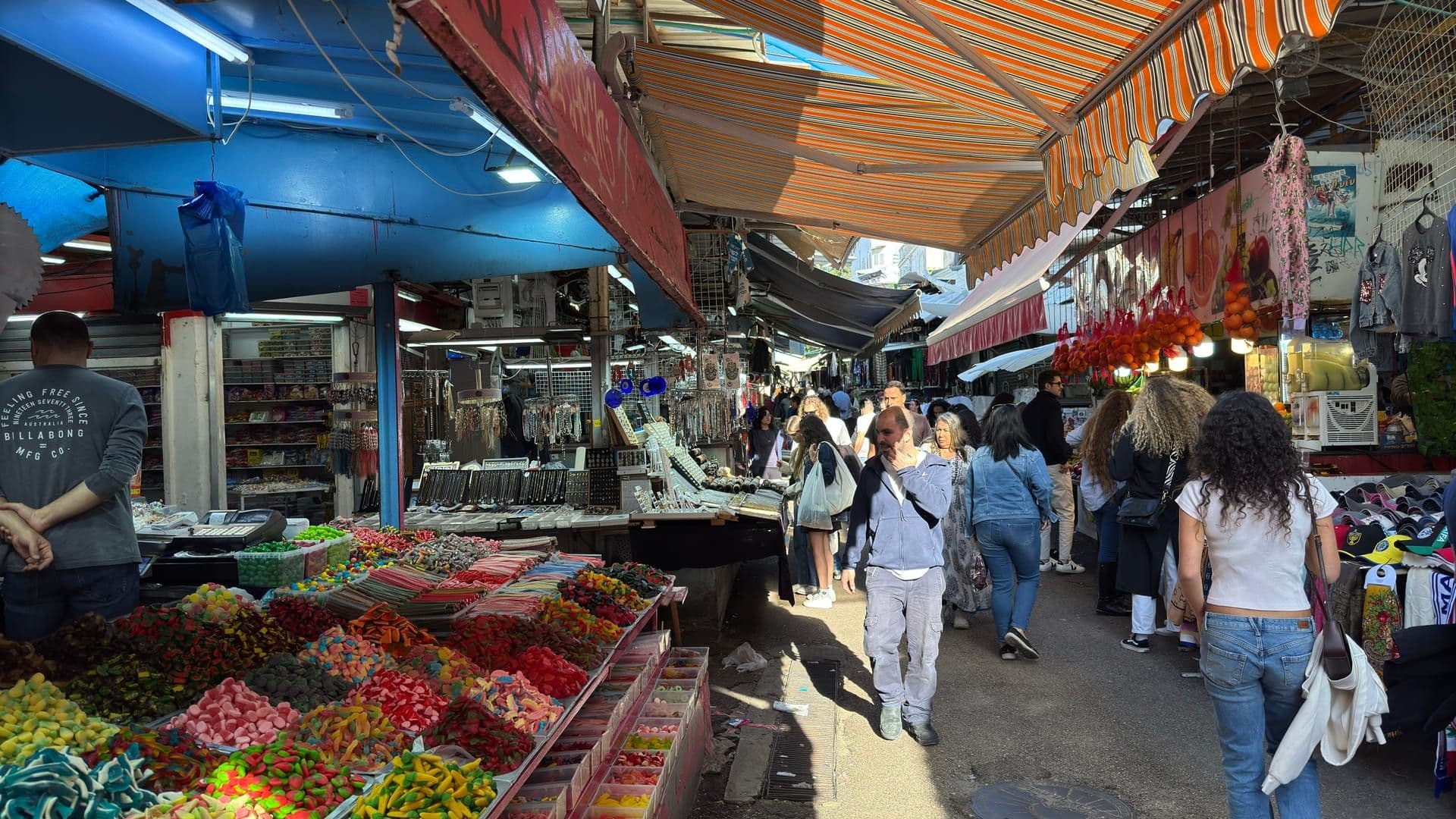
Most visitors reach Kerem HaTeimanim from Carmel Market, which makes it feel like an appendix to the shuk. The chronology runs the other way. The quarter was laid out in 1906, three years before the sixty-six families gathered on the dunes to draw lots for the plots that became Tel Aviv. The market came later still. When you walk these lanes you are in the oldest continuously inhabited part of the city centre, and the street plan has barely moved since.
This is the history behind the neighbourhood — the land, the people who bought it, and how it took twenty-three years to settle on a name. For what to actually do here today, our complete guide to the Yemenite Quarter covers the streets, the food and the practicalities.
A vineyard, and the guard who watched it
The name is literal. Kerem means vineyard, and before there was a neighbourhood there were vines — part of the belt of orchards and vineyards that ringed Jaffa in the late Ottoman period, when the authorities encouraged tree planting on land outside the walls.
Three men owned the ground: Aharon Chelouche, Yosef Bey Moyal and Haim Amzalag, established Jaffa figures who began selling plots in 1906. The buyers were overwhelmingly Yemenite Jews, and most of them did not come from Yemen directly. They came from Jerusalem, where an earlier wave had settled and where conditions had proved hard.
The story behind the name is the kind that usually dissolves on inspection, and this one has held up well enough to survive into the municipal record. The quarter was first called Kerem HaTeimani — the Yemenite's vineyard, singular — after the Yemenite watchman who guarded Moyal's vines. The neighbourhood is named not after its founders or its financiers but after an employee whose first name nobody wrote down.
Why Jerusalem, and why 1881
To understand who was buying, you have to go back a generation. In the Hebrew year תרמ"ב — 5642, falling across 1881 and 1882 — roughly two hundred Yemenite Jews made the journey to Ottoman Palestine. They called the movement E'eleh BeTamar, "I will climb up into the palm tree", a line lifted from the Song of Songs. The great majority settled in Jerusalem and Jaffa.
The timing matters. This wave arrived alongside, and in some accounts slightly before, the First Aliyah from Eastern Europe that conventional histories treat as the beginning of modern Jewish immigration. Historians estimate that around a tenth of Yemen's Jewish population left for Palestine between 1881 and 1915.
Jerusalem did not absorb them comfortably. When plots came up for sale on the Jaffa dunes twenty-five years later, a community that had already moved once was ready to move again. One of the quarter's streets is named תרמ"ב — after the year itself. It is a small thing, and easy to walk past, but it is the only street in the neighbourhood named after a date — one of several that turn out to be a map of Yemenite history if you know what you are reading.
Tin roofs and single storeys
The Kerem was poor. The first houses were single-storey, built from whatever was affordable — wooden beams, tin roofing, mud brick — and arranged around shared courtyards rather than along formal street frontages. That courtyard pattern is why the lanes still feel improvised today, turning at odd angles and opening without warning into small shared spaces.
The contrast with what grew up around it is the whole point. Central Tel Aviv was rebuilt through the 1930s in the International Style that later earned the White City its UNESCO listing. The Kerem was not rebuilt. It kept its scale, and the result is that one of the densest parts of the city is also one of its lowest.
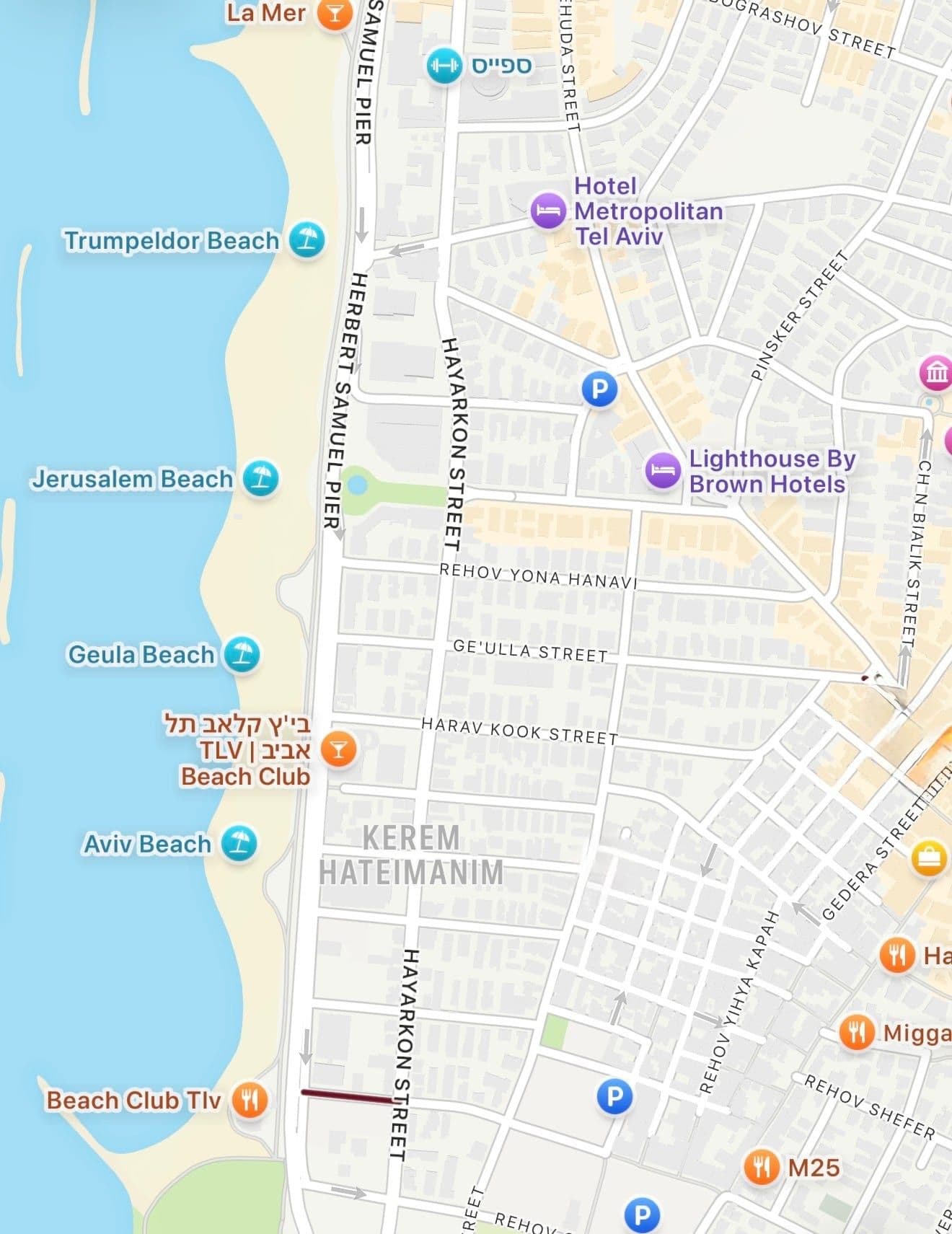
The quarter covers about 374 dunams — roughly 37 hectares — and counted some 4,720 residents at the last published figure. Its edges are easy to trace on foot: Allenby Street to the north, HaCarmel and the market to the east, HaKovshim and then the sea to the west.
Herzl's carter
One resident connects the neighbourhood to a scene most people know from photographs. When Theodor Herzl travelled to Palestine in 1898 to intercept Kaiser Wilhelm II, the carriage that carried him was driven by a Yemenite carter named Yehya Dahabani.
Dahabani settled in the Kerem. In 1960 a newsreel crew filmed him at home here, aged eighty-two, still telling the story and still producing the proof: a watch Herzl had given him, and a photograph. A memorial plaque on Kehilat Eden Street marks the family.
It is a useful corrective to how the founding of Tel Aviv is usually told. The people who drove, built and supplied the early Zionist project were often the ones whose names did not make it into the official frame.
A neighbourhood of trades
The families who bought these plots did not arrive empty-handed. Yemenite Jews had for generations been the silversmiths, goldsmiths and metalworkers of their towns — in many places the trade was almost entirely in Jewish hands, passed down within families.
That skill came with them. The filigree work that Yemenite silversmiths were known for, fine twisted wire built into jewellery and ritual objects, found a market in Ottoman Jaffa and later in Tel Aviv, and it is the reason Yemenite silver became one of the few crafts of the period still collected today.
Two of the men whose names are on the quarter's street signs worked with their hands: Hayyim Habshush was a coppersmith, and Rabbi Yihye Qafih a goldsmith who taught outside working hours. Neither was unusual in that. Scholarship and a trade were not separate careers in Sana'a; they were the same life.
Those trades did not survive the move intact. The workshops gave way to market stalls, restaurants and, eventually, to rent. But the habit of making things by hand lingered in the quarter long after the silver did, and it is part of why the lanes here still feel worked rather than planned.
The sound of the neighbourhood
By the 1970s the Kerem had produced something that travelled well beyond it. The guitarist Moshe Ben Mush and the singer Yosef "Daklon" Levi formed Tzlilei Kerem HaTeimanim — the Sounds of the Vineyard — and the Yemenite-inflected style they played became one of the foundations of what is now called Israeli Mizrahi music.
Zohar Argov, the genre's defining voice, released an album titled BeKerem HaTeimanim. The duo Parvarim took their name — "the suburbs" — from the quarter itself. For a neighbourhood of a few thousand people occupying thirty-seven hectares, that is a disproportionate contribution to the national songbook.
Walk here on a Friday afternoon and you can still hear it coming out of open windows while the market winds down a street away.
Why the quarter still stops on Friday
One inheritance from 1906 is visible every week, and it catches visitors out more than anything else here.
The Kerem was founded by observant families, and it has stayed largely religious. Synagogues are folded into the residential fabric rather than standing apart from it — small rooms behind ordinary doors, several of them following Yemenite liturgy and pronunciation that differ from the Ashkenazi and Sephardi rites a visitor is more likely to have heard.
The practical consequence is a weekly rhythm the surrounding city no longer keeps. Restaurants in the quarter close for Shabbat, most of them from Friday afternoon until Saturday evening. The market a street away shuts at the same time. Streets that are busy on a Thursday night are silent on a Saturday morning, and then fill again after dark.
Visitors who arrive on a Friday afternoon expecting a city centre at full speed are often surprised. It is worth planning for rather than discovering: buy what you need on Friday morning, and treat Saturday as the day to walk, swim and look at the architecture rather than the day to shop.
It is also the best time to see the quarter as it was. With the market closed and the traffic gone, the scale of the place — low houses, narrow lanes, shared courtyards — reads exactly as it did before the city grew up around it.
The name, settled at last
The neighbourhood spent its first two decades without an agreed name. Kerem HaTeimani was the usage on the ground. Other proposals circulated: Machaneh Yisrael, and a name honouring David Moyal, the son of one of the original landowners.
In 1929 the plural form was fixed: Kerem HaTeimanim, the vineyard of the Yemenites. The singular watchman gave way to the community. By then the neighbourhood was twenty-three years old and had long since stopped being a vineyard.
What has changed, and what has not
The honest version of the present is that the Kerem is changing faster than at any point in its history. Property here has become an investment, a good deal of it bought from abroad, and many families whose grandparents bought plots in 1906 no longer live in them. The tallest building in the quarter, Lev HaIr Tower, went up in 2004 and would have been unimaginable to anyone who built in tin.
What persists is the texture: the low houses, the courtyards, the synagogues, the restaurants that still close for Shabbat, and a street plan that was drawn before the city around it existed. It is worth knowing, as you walk past a doorway, that the doorway is older than Tel Aviv.
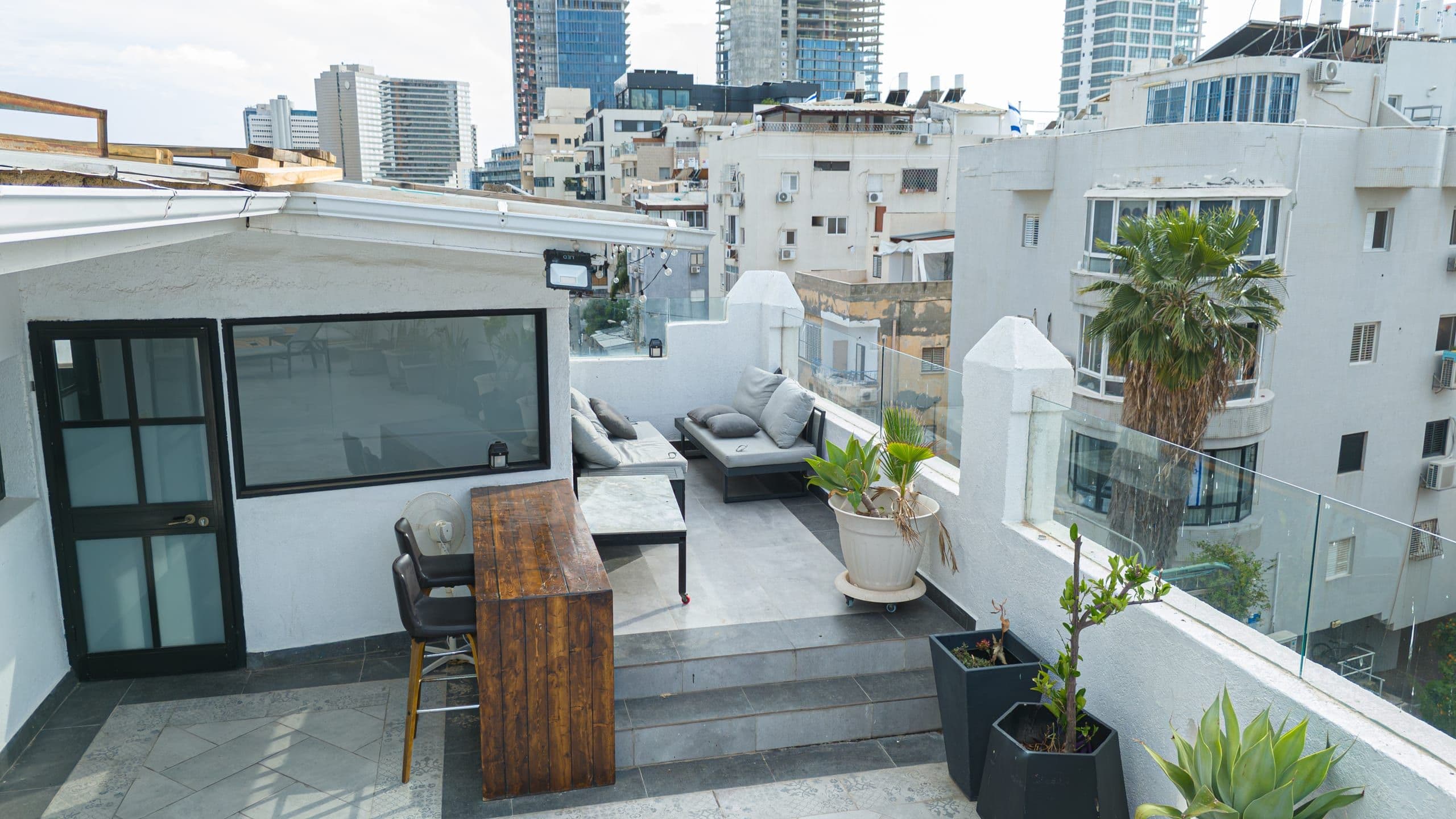
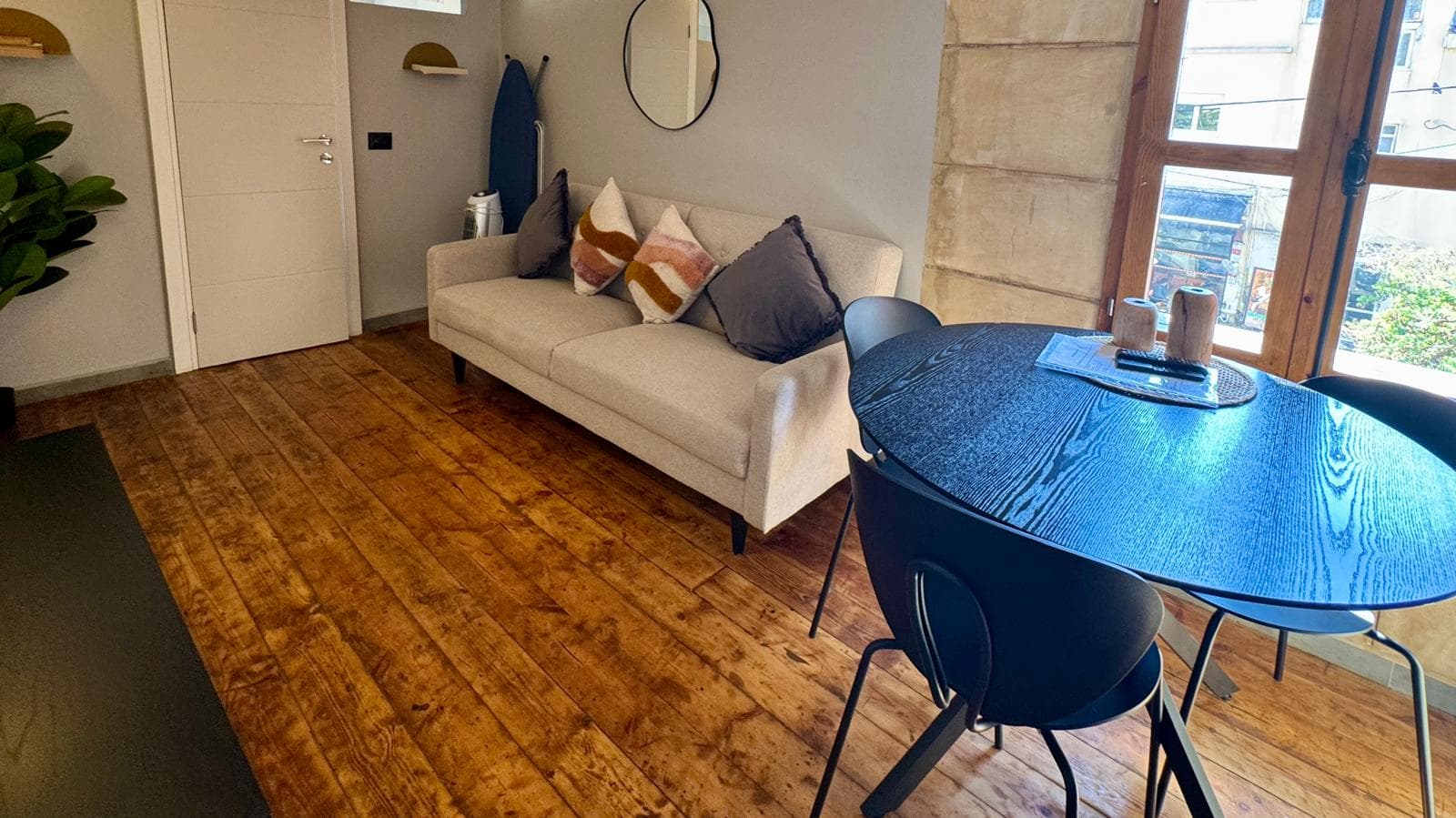
If that is the kind of detail you want to wake up inside rather than read about, the Or Hakerem apartments are in the quarter itself — and our guide to how close the Kerem is to the beach explains why a neighbourhood built on farmland ended up two minutes from the sea. Send your dates through the reservation page and we will come back with a clear total.
Sources
- Kerem HaTeimanim and the Hebrew-language entry, for the founding date, the landowners, the naming history and the neighbourhood's boundaries.
- Yemenite Jews in Israel, for the E'eleh BeTamar immigration of 1881–1882.
- Yemenite Jewry, National Library of Israel.
Ready to experience Tel Aviv?
Stay in the heart of Kerem HaTeimanim — just steps from Carmel Market and Banana Beach.